

Introduction
This case study outlines the successful surgical treatment of a displaced clavicle fracture using advanced fixation solutions from Samay Surgical Pvt. Ltd. It demonstrates how modern implant design supports precise anatomical reduction, stable fixation, and accelerated patient recovery.
Case Overview
A 29-year-old male patient presented with pain, swelling, and deformity over the right shoulder following trauma. Radiographic evaluation confirmed a displaced midshaft clavicle fracture.
Given the extent of displacement and functional requirements, the patient was treated with open reduction and internal fixation (ORIF) using a pre-contoured clavicle locking plate manufactured by Samay Surgical Pvt. Ltd.
Preoperative X-ray
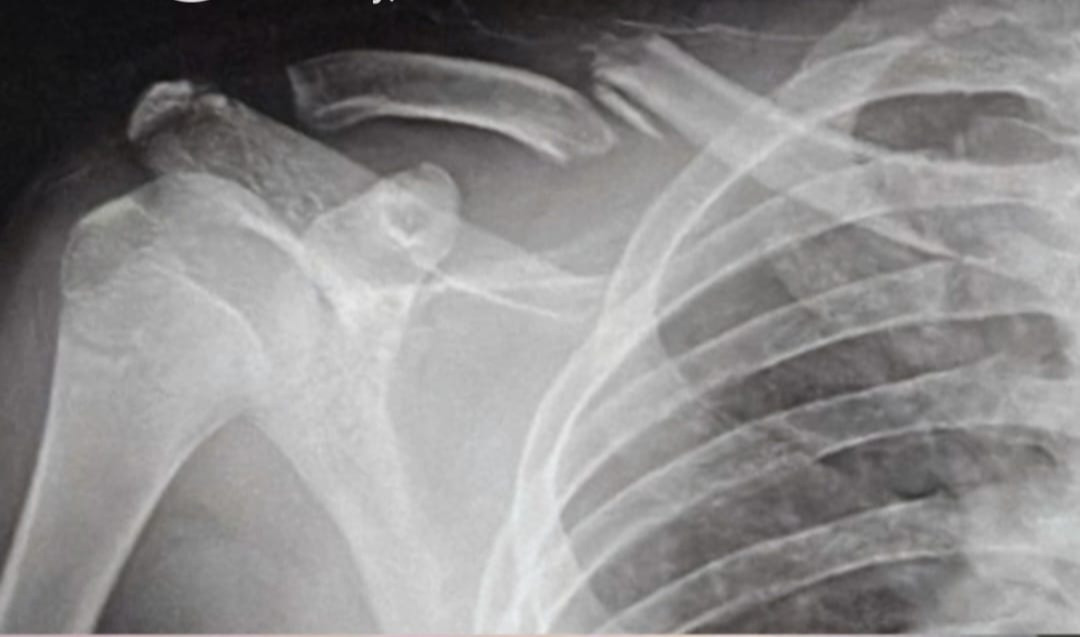
Preoperative Findings
Imaging revealed:
- Significant displacement of fracture fragments
- Shortening of the clavicle
- Loss of anatomical alignment
These findings indicated the need for surgical stabilization to restore normal shoulder mechanics.
Surgical Procedure
The procedure was performed under general anesthesia using a standard superior approach.
Key steps included:
- Exposure and reduction of fracture fragments
- Restoration of clavicle length and alignment
- Fixation using a Samay Surgical pre-contoured locking plate
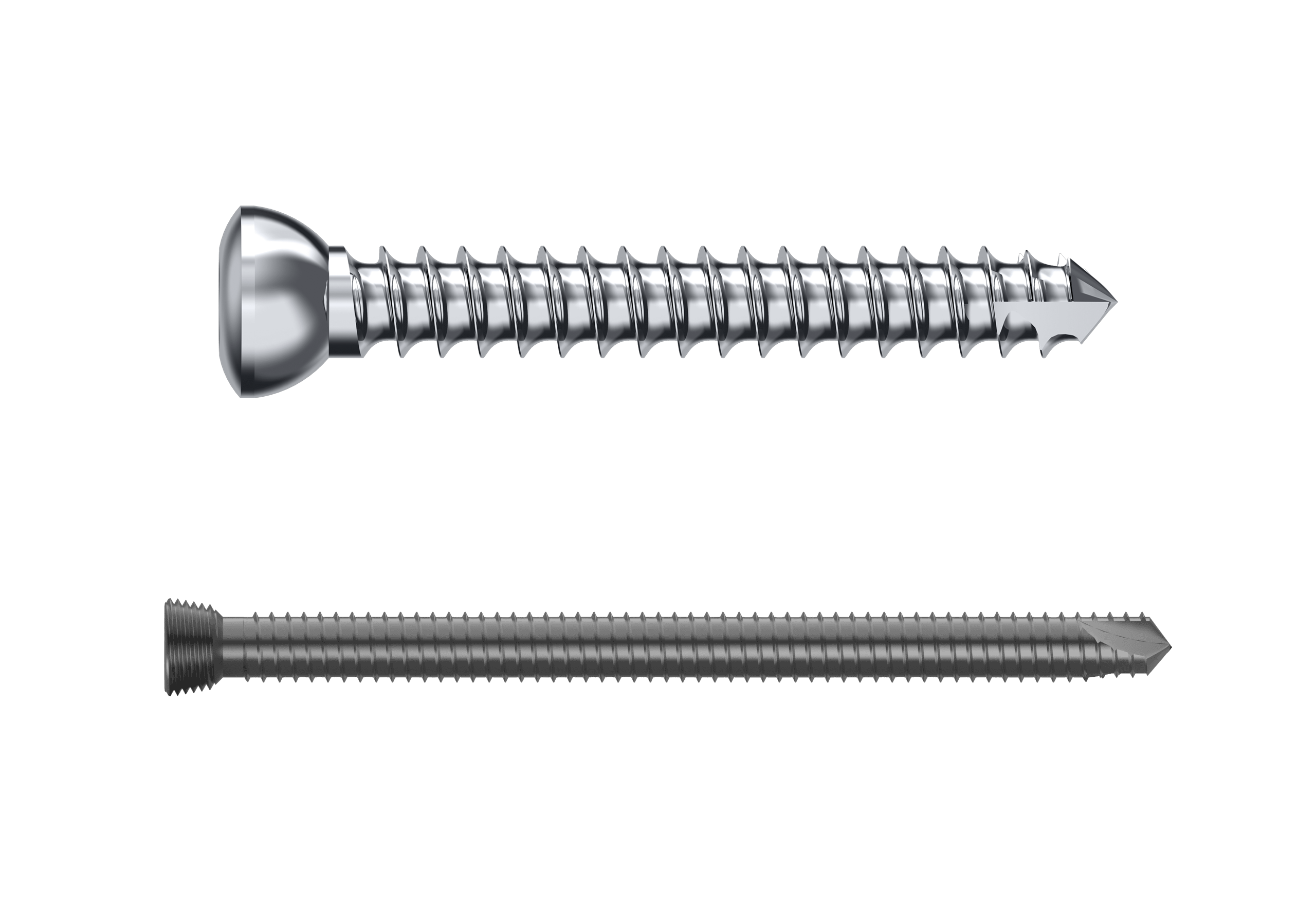
The plate was secured with a combination of locking and cortical screws to ensure rigid stabilization. Intraoperative imaging confirmed proper implant positioning.
Postoperative X-ray
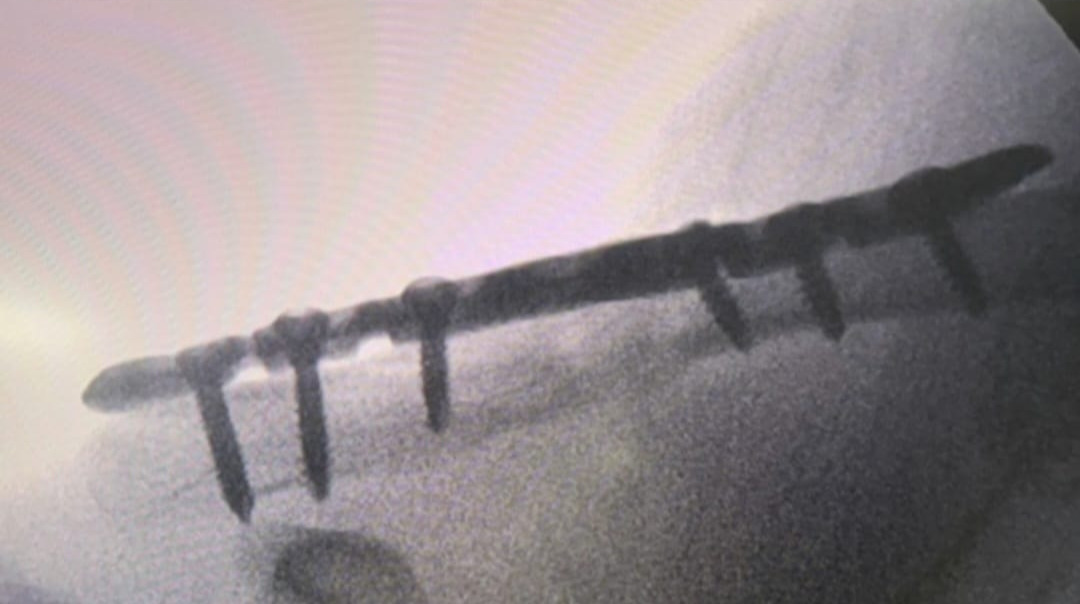
Postoperative Care and Recovery
- Initial immobilization using an arm sling
- Early initiation of passive mobilization
- Gradual progression to active shoulder movement
At 6–8 weeks follow-up, the patient showed:
- Radiological union of the fracture
- Stable implant fixation
- Full, pain-free range of motion
The patient resumed normal daily activities without complications.
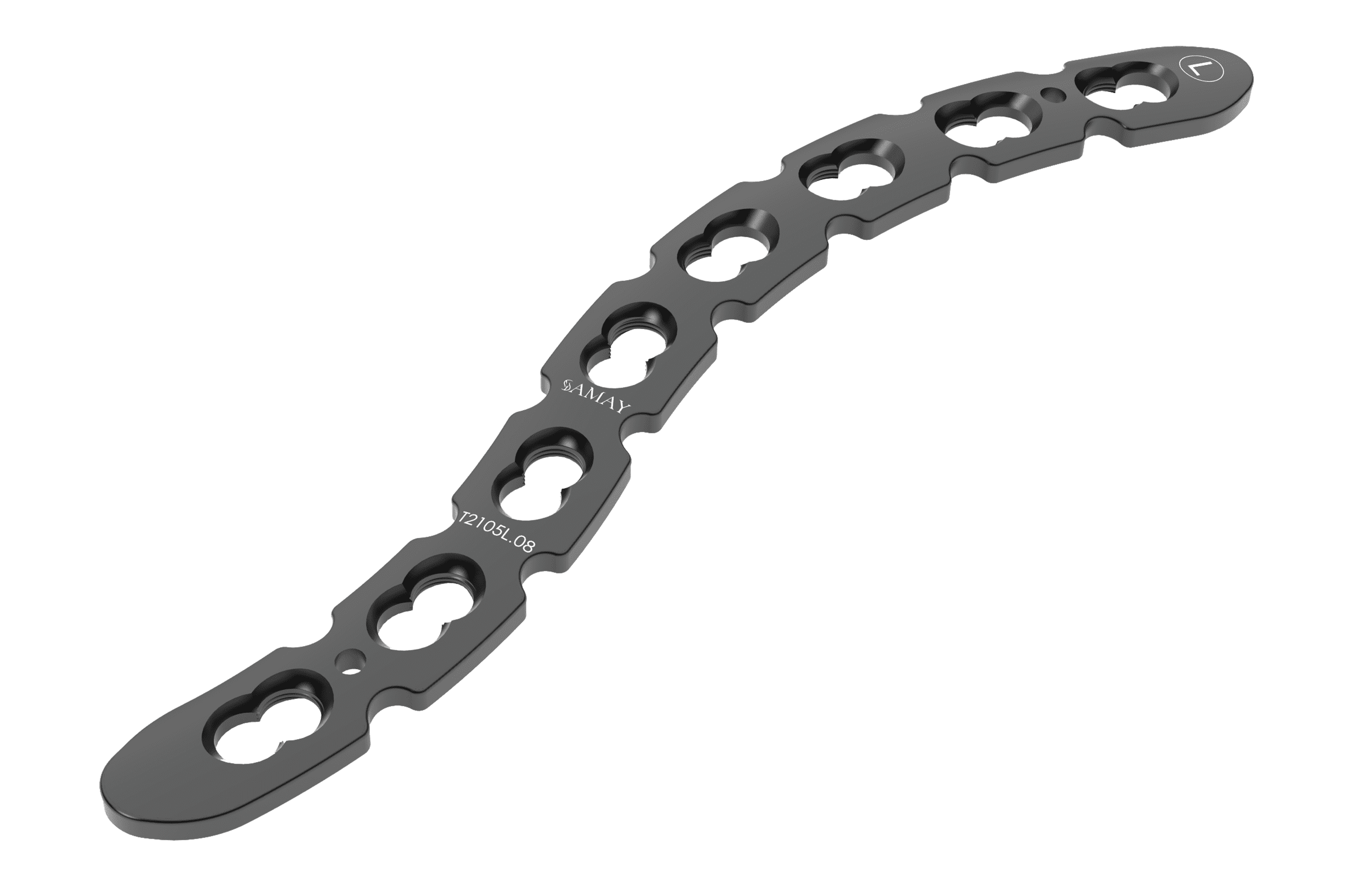
Implant Specifications
- Implant Type: Clavicle Locking Plate
- Manufacturer: Samay Surgical Pvt. Ltd.
- Design: Pre-contoured anatomical profile
- Material: Titanium alloy
- Configuration: Superior Anterior Clavicle Locking Plate Right 3.5mm/3.5mm locking screw/3.5mm cortex screw
- Indication: Displaced midshaft clavicle fractures
Instrumentation
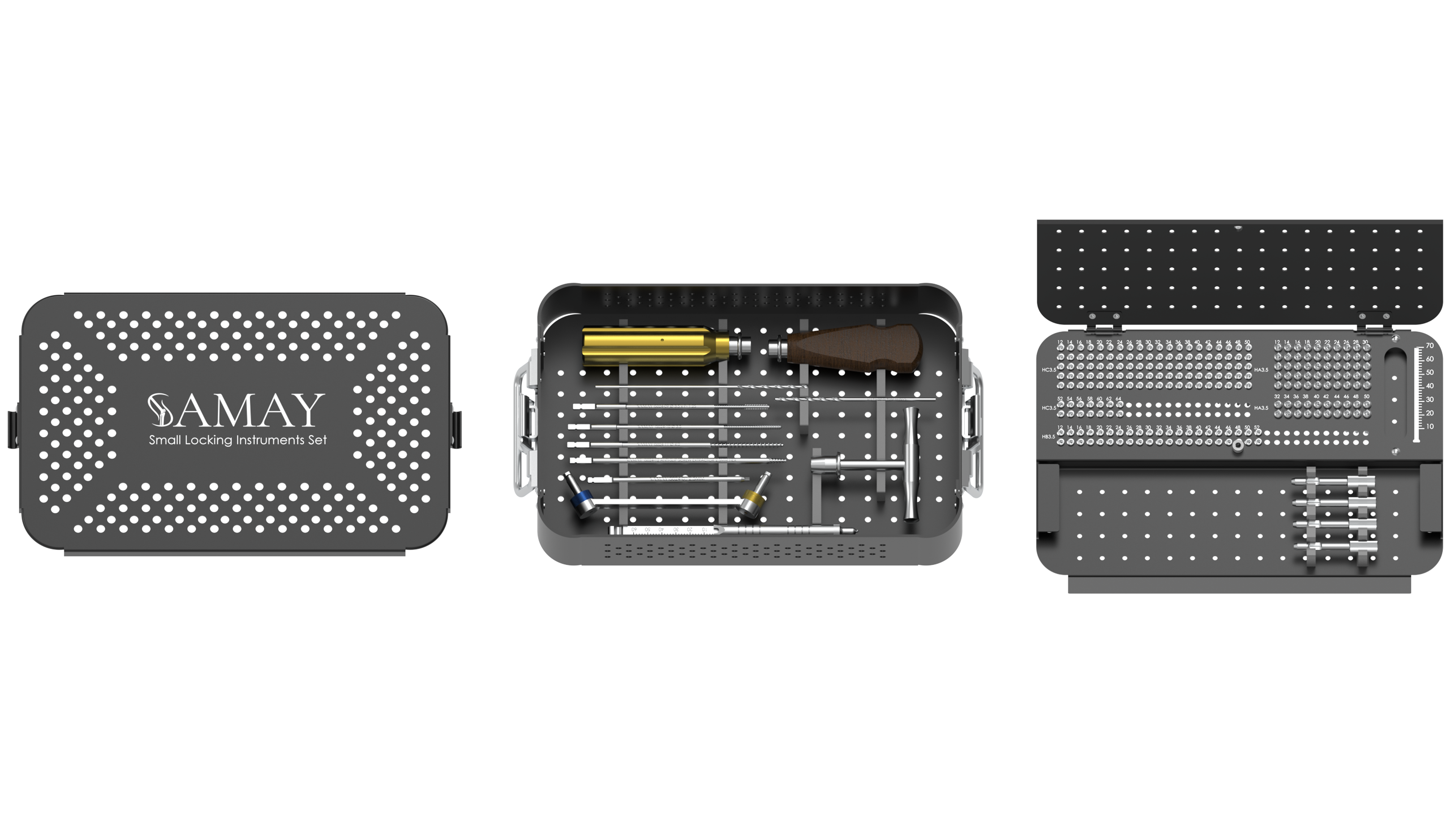
A dedicated clavicle plating instrument system from Samay Surgical Pvt. Ltd. was used. These instruments enabled precise handling and efficient surgical workflow.
Clinical Outcome
The use of Samay Surgical Pvt. Ltd. clavicle locking plate system provided:
- Stable fixation
- Accurate anatomical restoration
- Early mobilization and faster recovery
The patient achieved an excellent clinical outcome with no postoperative complications.
Conclusion
Displaced clavicle fractures benefit from stable internal fixation. The clavicle locking plate system by Samay Surgical Pvt. Ltd. offers a reliable and effective solution, ensuring consistent surgical performance and improved patient outcomes.
Frequently Asked Questions:
1. Why is anatomical contouring important in clavicle plates?
The clavicle has a natural S-shape. A pre-contoured plate reduces intraoperative bending, ensures better fit, minimizes soft tissue irritation, and improves overall fixation stability.
2. What is the benefit of combining locking and cortical screws in this case?
Cortical screws help achieve fracture compression, while locking screws provide angular stability. This hybrid fixation enhances both stability and biological healing.
3. How does clavicle shortening affect shoulder function?
Clavicle shortening can alter shoulder biomechanics, leading to reduced strength, fatigue, and limited range of motion. Surgical restoration of length helps maintain normal shoulder mechanics.
4. Why is superior plating preferred in this procedure?
Superior plating offers better biomechanical strength as it counters tensile forces acting on the clavicle, making it ideal for displaced midshaft fractures.
5. What factors determine the selection of plate length (number of holes)?
Plate length depends on:
- Fracture pattern
- Bone quality
- Need for adequate screw distribution Longer plates provide better load distribution and stability.
6. How does early mobilization improve patient outcomes?
Early mobilization helps:
- Prevent joint stiffness
- Maintain muscle strength
- Improve circulation and healing
- Reduce overall recovery time
7. What role does implant material play in fracture healing?
Titanium alloy offers:
- Excellent biocompatibility
- Lower risk of allergic reaction
- Optimal strength-to-weight ratio
- Reduced interference with imaging
8. How is implant positioning verified during surgery?
Intraoperative fluoroscopy (C-arm imaging) is used to confirm:
- Proper fracture reduction
- Accurate plate placement
- Correct screw length and positioning
9. What are the indicators of successful fracture union?
- Bridging callus formation on X-ray
- Absence of pain at fracture site
- Restoration of functional movement
10. How does implant design influence surgical time?
Pre-contoured plates reduce the need for intraoperative modification, which:
- Decreases surgical time
- Minimizes soft tissue handling
- Improves overall surgical efficiency
11. Can this implant system be used for comminuted fractures?
Yes, locking plate systems are especially beneficial in comminuted fractures as they provide stable fixation without relying solely on bone-to-bone contact.
12. What makes this fixation system suitable for active patients?
Its rigid stability allows early return to function, making it ideal for patients who require quick recovery and high shoulder performance.